Raindance AI Video Trend: Who Plays Each Role?
Raindance AI video trend casting starts with two roles: learn who sings, who watches and how to frame the horizontal clip for your feed.
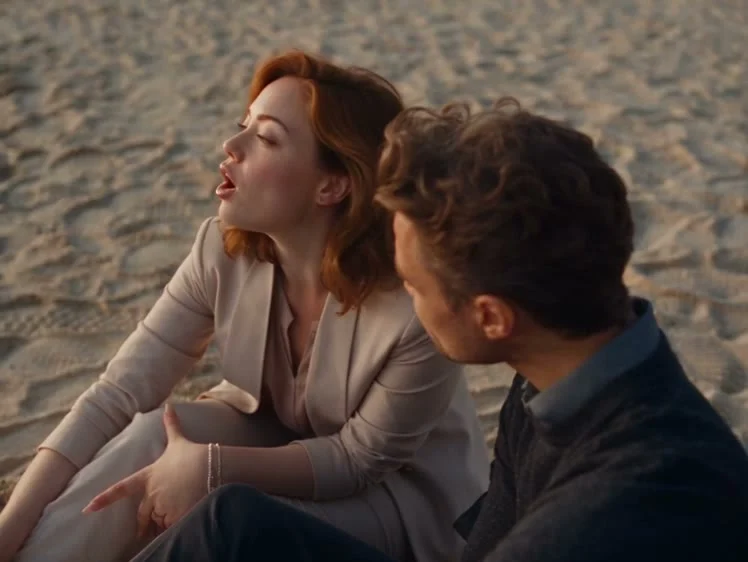
Raindance is a two-person AI video trend built around the Dave and Tems song: one person sings while the other watches, then joins them by the water. If you’re making one for a partner or friend, the real creative choice is who gets each role, not which filter you pick. The wrong casting makes the whole clip feel off.
The story is in the second person
A lot of music trends put one face in front of a camera and call it a day. Raindance has a second job: the person off to the side gives the singer somebody to sing to. On the Raindance template page, the first photo becomes the singer on a sunlit pier and in the close-ups. The second watches from the pier before joining the singer on the beach. That assignment is fixed by upload order.
The page describes a roughly 28-second, horizontal 4:3 clip. That’s useful context before you ask your friend for a photo: this isn’t a vertical selfie with a sticker dropped on top. The close-up needs a readable face. No hiding behind sunglasses. The wider scene needs two people who look like they belong in the same story. You don’t need matching clothes, but two photos with wildly different lighting can make the cut between them distracting.
Dave and Tems are credited together on Apple Music’s listing for “Raindance”. The listing dates the track to October 2025. Treat the sound as a specific song, not a generic “rain” audio: listen to the version you’re referencing before writing a caption that describes the wrong mood. And no, the name doesn’t mean you should add a fake downpour to a sunny pier.
The Hotel Lobby duet also uses two performers, but its hanging-mic staging calls for a different assignment.
Cast the clip before choosing photos
Pick the singer by asking who should carry the face-forward moments. The other person is still present, but their role reads through watching and joining in. A romantic caption can work for a couple. For two friends, try a small shared memory instead of pretending the scene is a wedding announcement. The same visual sequence can mean two different things depending on who you cast and what you write above it.
You can also cast a pet as the second role, which the template page explicitly allows. Think about the joke, though. It is a strange little scene. A dog “filming” someone on a pier is funny because the action is impossible. If you’re after a sincere anniversary post, put an actual person in that slot. Craft decision, not a technical rule.
Ask permission from anyone whose face you’re using. A surprise edit is much less charming when someone didn’t agree to have their photo turned into a singing video. If you’re using a picture that already includes both people, crop or choose another one: the page asks for one clear subject per upload. Check which face went into which slot before you spend credits on a render.
Make the framing work for the feed
The template’s 4:3 frame shows more width than a full-screen phone feed. Posting it without checking the preview can leave the faces tiny, especially in a story-style placement. Watch the clip once at its original size, then try a vertical canvas with the complete horizontal frame centered and a simple background above and below. You can put a short caption in that free space. Don’t enlarge the footage until the partner disappears from the beach shot.
If you’re making a separate cut for YouTube Shorts, the YouTube Shorts eligibility page says uploads after October 15, 2024 with a square or vertical aspect ratio and a length of up to three minutes are categorized as Shorts. A horizontal 4:3 source isn’t the same as a square or vertical upload. Export a separate square or vertical version if that placement matters to you, and inspect every cut for missing heads or hands. The short length alone doesn’t fix the aspect ratio.
Don’t assume the track’s presence in an AI output grants permission to use it in every post, ad or platform. Check the sound availability and account rules where you’ll upload, particularly if this is for a brand. YouTube’s same Shorts policy page says a Short longer than one minute with an active Content ID claim is blocked globally; your Raindance clip is shorter, but that rule isn’t a general music license. Check the actual upload warnings instead of taking the audio’s presence as clearance. Rights are not a filter.
A caption that earns the scene
Don’t write “POV: us” and leave the second person’s role unexplained. The frame already tells viewers it’s two people; the caption should supply the relationship the visuals can’t. “You filmed every bad performance before this one” says more about a friendship than another line calling it a trend. Keep it honest. Specific beats cute here. If the clip is a joke between siblings, let the caption be a joke between siblings.
Before posting, play it with sound off. Does the switch from singer to watcher still make sense? Does either face get cropped out in the feed preview? Then play it with sound on and check whether the caption clashes with the song’s tone. If the close-up doesn’t look like the intended singer, fix the first photo rather than trying to rescue the edit with more text.
The trends gallery is handy if you want a different visual setup, but this one lives or dies on that two-person exchange. Put the friend who holds the camera in the second slot and give the singer a photo where their eyes and mouth are unobstructed. Then preview the beach shot before you tap publish.